Overview
A stroller that looks sporty is not automatically designed for running. The Car Seat Lady's running-stroller guide highlights the difference between appearance and an approved use. Large wheels, pneumatic tires and a three-wheel layout can be useful clues when comparing products, but the manufacturer's instructions must establish whether the specific stroller is suitable for the activity you have in mind.
Match the stroller to the activity
Decide whether the main use is ordinary walking, brisk walks, occasional jogging or regular running. Look for instructions addressing that use directly, including how to set the front wheel and use any wrist strap or braking features. A front wheel that swivels conveniently around shops may need a different setting during running. Test that the required adjustment is clear and repeatable.
Consider the surface as well as the pace. Smooth pavement, uneven paths and frequent changes of direction place different demands on handling. A reviewer's favorable impression on one route is not a performance guarantee on yours. Ask what terrain the manufacturer permits and examine the stroller's maintenance requirements, including tire condition or inflation where applicable.
Check the child's readiness and limits
Running suitability depends on the child as well as the chassis. Follow the stroller's stated minimum requirements and discuss developmental readiness with the child's clinician when needed. Do not substitute a generic age quoted in an older buying guide for the current product instructions. The child's ability to manage ordinary stroller use does not, by itself, establish readiness for running.
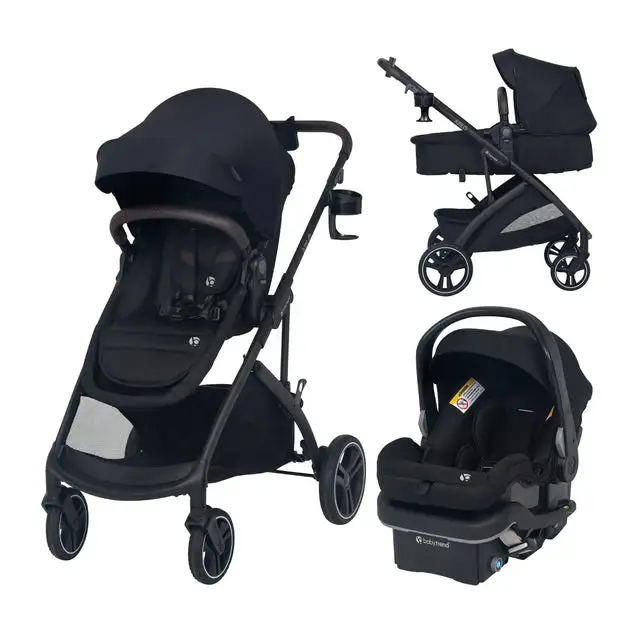
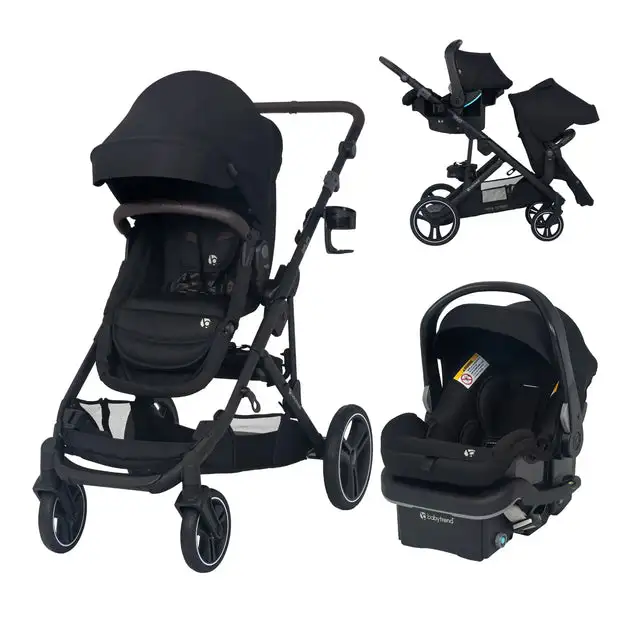
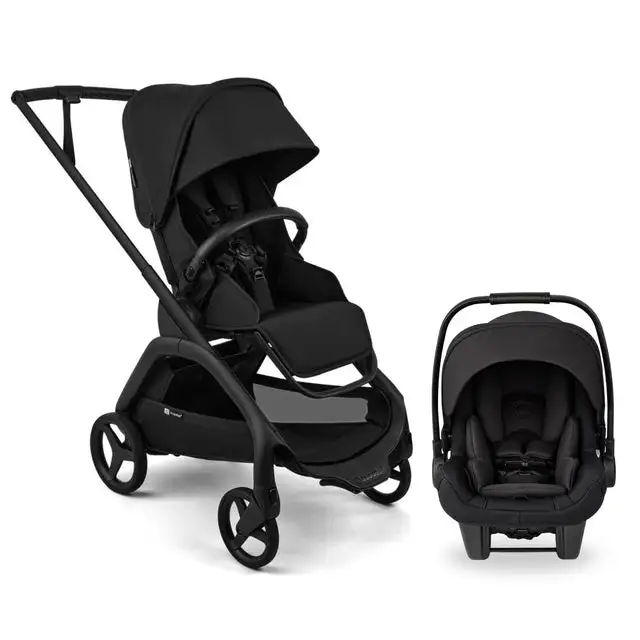
An infant-car-seat adapter creates a travel-system connection; it does not make running with the carrier appropriate. Keep that configuration within its approved use. Also check the stroller's child-height and weight limits. A seat that still feels roomy can nevertheless be outside a stated running-use restriction.
Include the non-running parts of the day
Lift the folded stroller, check the boot or storage space and try the handle position. A capable running stroller may be bulky for public transport or small hallways. Before each outing, use the harness, wheel setting and any required wrist strap as directed. A good purchase combines an approved running configuration with a practical routine for getting out of the door, maintaining the equipment and storing it afterward.
Community comments
Be the first to share a useful experience or question.
Share your experience
Contributions are reviewed before publication. Do not share children's personal information.