Overview
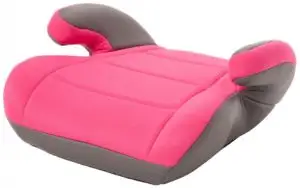
Booster shopping can be confusing because several different products are described with similar terms. The Car Seat Lady separates backless boosters, high-back belt-positioning boosters and combination seats that change from a harnessed mode to a booster mode. The first task is to identify how the child will be restrained now, not how many stages appear in the product name.
Distinguish the restraint modes
In a harnessed mode, the child uses the seat's internal harness. In a booster mode, the booster helps position the vehicle's lap-and-shoulder belt around the child. A combination seat does not use both arrangements indiscriminately. Its instructions specify when each mode is available and how components must be changed or stored.
Read the current model's minimum and maximum requirements rather than applying a weight threshold taken from an older generic guide. Size is only part of booster readiness: the child needs to maintain the required position throughout the journey. A child who leans out of the belt or cannot remain appropriately positioned needs the restraint choice reviewed.
Compare the booster with the vehicle
A backless booster can be compact for storage and transfers, but it relies on the vehicle's seatback and head-support arrangement. A high-back booster adds its own structure and shoulder-belt guides, yet may still have specific requirements for the support behind it. Check both product and vehicle instructions; a high back is not a universal remedy for every vehicle-fit issue.
Observe the actual belt fit with the child seated. The lap portion should lie low across the upper thighs, and the shoulder portion should follow the appropriate path over the shoulder and chest. Check that the shoulder belt moves and retracts through its guide without leaving slack. Do not place it under the arm or behind the back to avoid an uncomfortable fit.
Try everyday buckling before deciding
Reach the buckle with neighboring child seats installed and check that the child can sit without leaning to one side. If a removable back is advertised, confirm the conditions for using the seat without it. Compare the configuration you will actually use, including head-restraint compatibility and belt access. The useful choice is a booster that produces a correct, sustainable fit in your vehicle.

Community comments
Be the first to share a useful experience or question.
Share your experience
Contributions are reviewed before publication. Do not share children's personal information.