Overview
A box containing many childproofing pieces can seem like a complete solution. In practice, every component has a particular purpose and installation requirement. BabyGearLab's review of the Inaya Child Proofing Kit is useful for understanding that distinction before counting the number of items as a measure of protection.
Map the components to actual locations
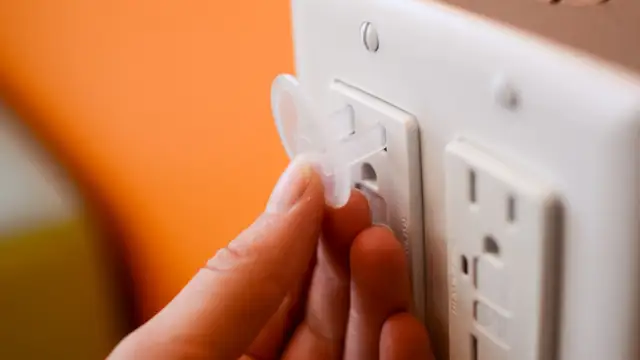
The reviewed Inaya package includes corner guards, outlet covers, strap-style locks and pressure-release cabinet locks. Those items address different situations. List the exact cupboards, drawers, edges and other locations you want to address, then check whether each supplied component is designed for that application.
A generic strap latch is not automatically an approved furniture anti-tip anchor. Similarly, a mixed kit does not establish that its outlet covers suit every electrical outlet design or local installation. Use appropriate products for each hazard and follow the exact component's instructions.
Examine how a cabinet lock releases
The source notes a practical drawback of the pressure-release cabinet locks: the door can open partly before the latch is pressed. That creates a gap to consider during a fitting assessment. BabyGearLab contrasts this with magnetic-lock designs, but neither mechanism should be treated as a guarantee against every child's attempts.
Check access, alignment and operation on the actual cabinet. Drawers with unusual edges or flexible doors may behave differently from a demonstration panel. Make sure regular adults can use the device correctly and re-engage it consistently.
Adhesive installation needs suitable surfaces
The source describes adhesive installation for the relevant kit components. Check the required surface preparation, waiting time and permitted materials. Textured finishes, moisture and repeated pulling may affect the result, so the initial appearance of a firm bond is not the only check.
Do not add improvised adhesive or substitute hardware to overcome an incompatible surface. Ask the manufacturer for an approved solution or choose another design intended for the location.
Keep reviewing the room
A kit can help address selected access points and sharp edges, but it does not replace supervision or secure storage of hazardous items. Recheck attachments, look for detached small parts and reassess as the child grows or learns to operate a mechanism.
Inaya is best evaluated as a collection of individual tools for a measured plan. Buy additional specialist products where the supplied components do not meet the need. This assessment draws on BabyGearLab's published review; it is not an OwnBoy child-resistance, adhesion or electrical-safety test.

Community comments
Be the first to share a useful experience or question.
Share your experience
Contributions are reviewed before publication. Do not share children's personal information.