Overview
A vehicle head restraint is part of the seating system, not just a comfort cushion. The Car Seat Lady explains its role in supporting the head relative to the torso during a rear impact. For families comparing vehicles or arranging several passengers, this means looking beyond the number of seat belts and checking the head support available in each intended seating position.
Check the actual passenger in the actual seat
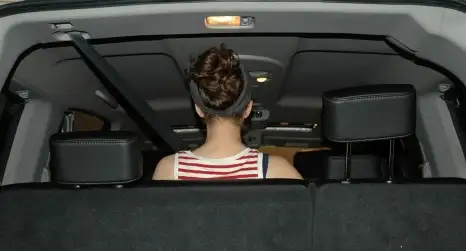
Head-restraint height and position should be adjusted according to the vehicle instructions. A setting that suits one adult may be too low for another passenger. Check rear seats as carefully as the front seats, including center and third-row positions. An apparently usable place on the bench may not offer the same head-support arrangement as the seat beside it.
When trying a family vehicle, have the regular passengers sit in their expected positions. Look at the relationship between the passenger, seatback and head restraint, and confirm that the required adjustments are available. This is particularly useful when an older child or teenager will occupy a third row that was previously used only occasionally.
Read booster requirements alongside the vehicle manual
A backless booster relies on the vehicle's seat and head-support arrangement, so the combination must meet the booster's requirements. A high-back booster has its own instructions about support behind it, contact with the vehicle seat and permitted head-restraint positions. Do not assume that every high-back model can compensate for any missing or unsuitable vehicle head restraint.
A head restraint can also affect how a child restraint sits against the vehicle seatback. If there is interference, consult both manuals before moving or removing it. Do not force the child seat into a position the manufacturer does not permit. A fit assessment can identify whether another approved adjustment or seating position is needed.
Keep changes reversible and documented
When removal is explicitly permitted, store the head restraint securely and restore it before an appropriate passenger uses that position again. Do not leave a removed component loose in the cabin. Include this step in any seat-change handoff between caregivers. A practical family seating plan accounts for the restraints, the passengers and the vehicle's own head-support equipment together.

Community comments
Be the first to share a useful experience or question.
Share your experience
Contributions are reviewed before publication. Do not share children's personal information.