Warm-Weather Car Travel: Evaluate Airflow Before Buying Cooling Accessories
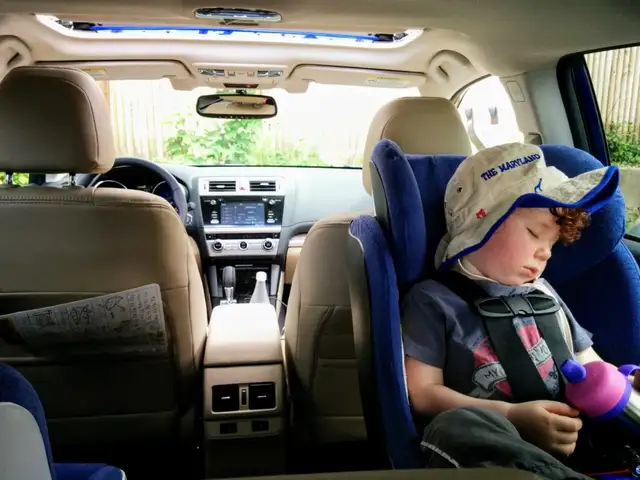
Start with the vehicle cabin and the child’s approved restraint setup. A cooling accessory should not change harness fit or replace direct supervision.
OwnBoy / Discover
Explore the details. Compare your options. Find what fits your family.
Start with the vehicle cabin and the child’s approved restraint setup. A cooling accessory should not change harness fit or replace direct supervision.
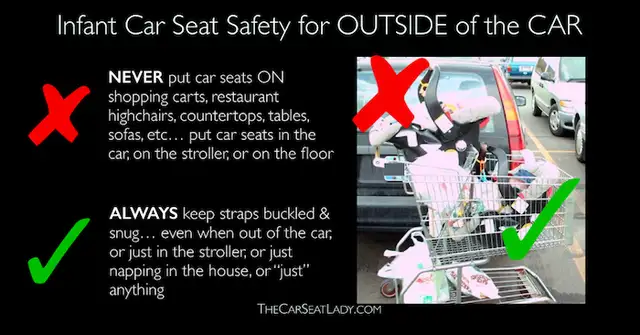
A carrier that appears to perch or click onto a cart is not necessarily supported by an approved connection. Plan the shopping trip around suitable equipment.
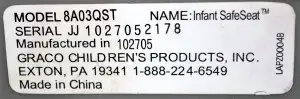
A clean cover does not establish a used seat’s suitability. Confirm identity, crash history, service life, parts and recall status before considering a transfer.
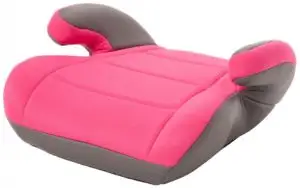
Choose a booster around the child’s readiness, belt fit and vehicle support. Product names and removable backs do not establish suitability on their own.
Review the full installation whenever the seat changes vehicle or mode. Correct connectors are only one part of a usable restraint setup.
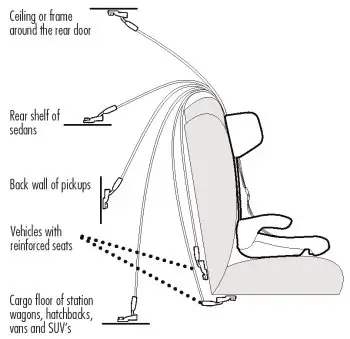
Tether anchors can be hidden or routed differently across vehicles. Identify the designated anchor for the intended seat instead of choosing a nearby hook.
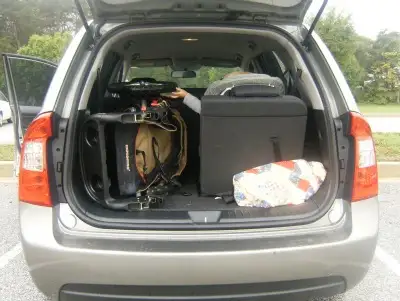
Evaluate cargo capacity with every required seat upright. Secure luggage using the vehicle’s approved provisions and keep hard objects away from passengers.
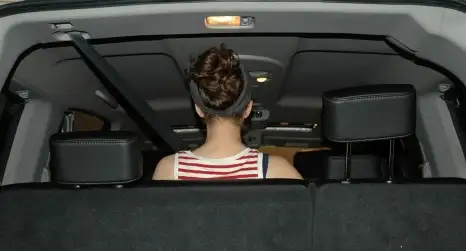
Check the head restraint and backrest in every occupied position. Booster fit and third-row seating deserve the same attention as the front seats.
Covers, webbing, buckles and the shell can have different care instructions. Plan cleaning and reassembly around the exact seat manual.
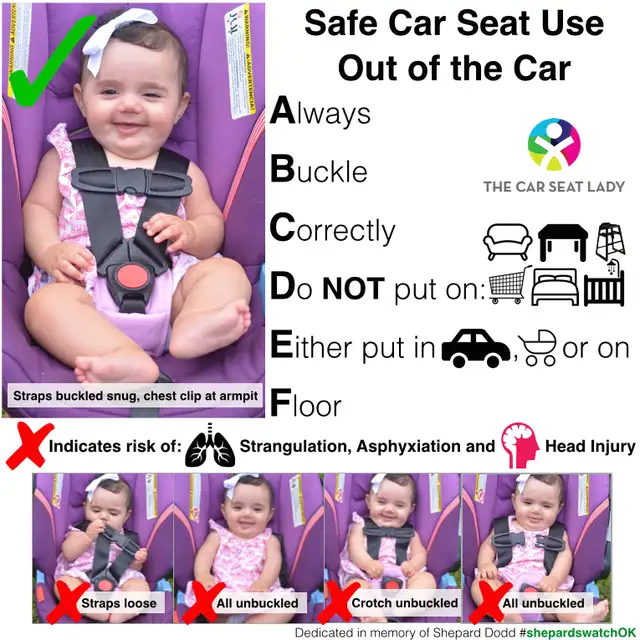
The trip does not end when the carrier leaves its base. Keep the harness complete, choose approved support and plan where the child will go next.
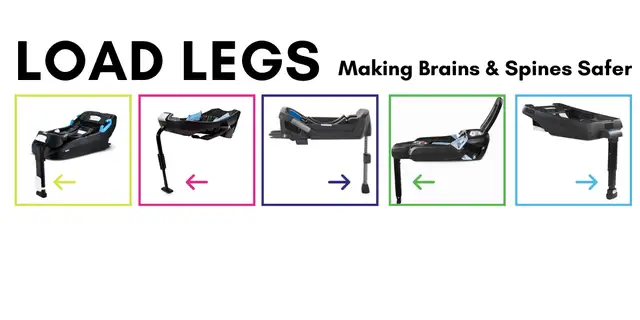
A load leg is a model-specific support feature. Floor shape, storage compartments and the approved installation configuration determine whether it can be used.
Understand the connector design, permitted seating positions and weight limits. Convenient lower anchors do not remove the need for a complete installation check.
Base-free installation is model specific. Compare approved belt routing, belt-locking requirements and the destination vehicle before leaving the base behind.
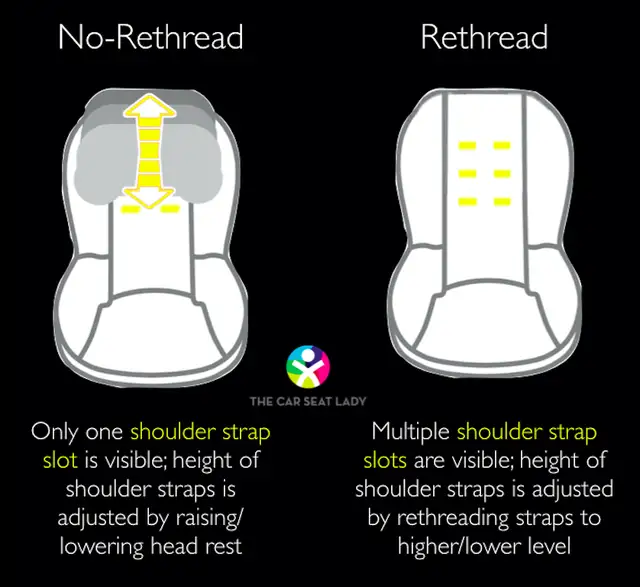
A no-rethread system can simplify height changes, but carrier weight, adjuster access and the final harness fit still deserve a hands-on check.
Three wheels and large tires do not establish running suitability. Check the intended activity, child requirements and handling details before buying.
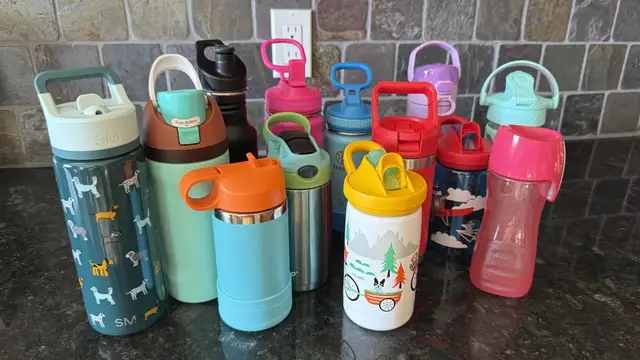
Choose a children's bottle by how it opens, fits in the bag and comes apart for cleaning.
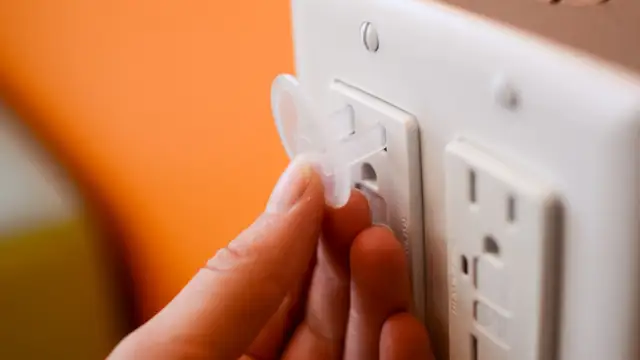
Assess what a mixed childproofing kit can cover and where a different product or mounting method is needed.
Compare an interactive fishing toy with simple nesting cups through the tasks that follow bath time.
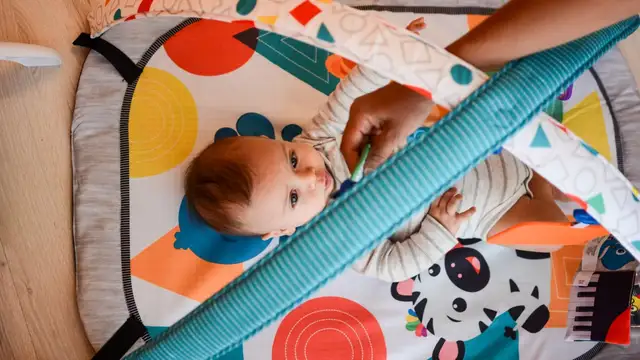
Compare the learning zones, folding routine and cleanup of two different play-gym designs.
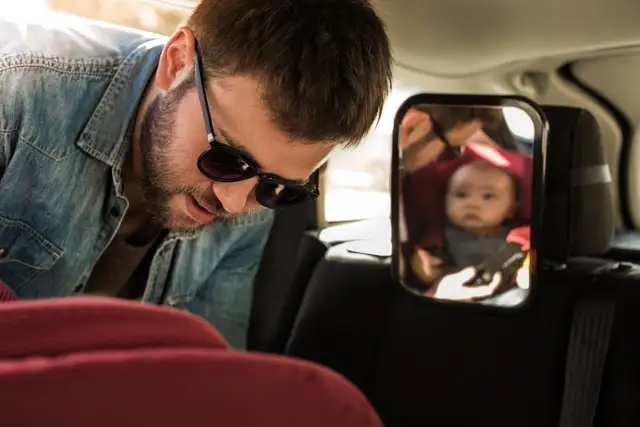
Compare two headrest-mirror designs through their adjustment, stability and maintenance needs.
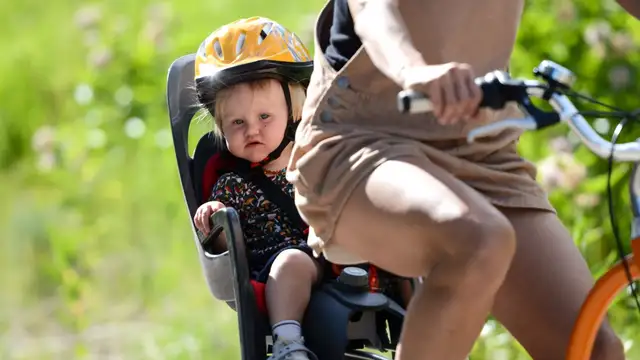
Explore the placement decision while keeping the source-tested Yepp models separate from newer versions.
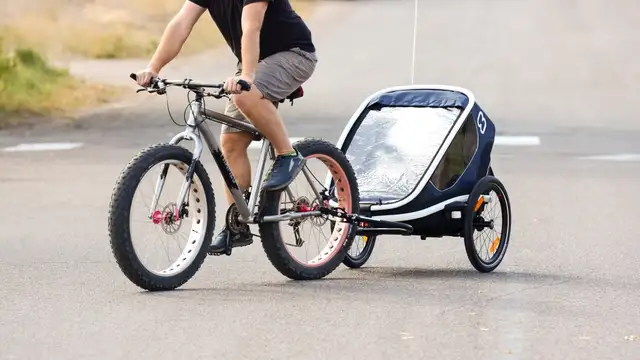
Use the source comparison to separate essential cycling needs from the extra equipment of a multi-activity trailer.
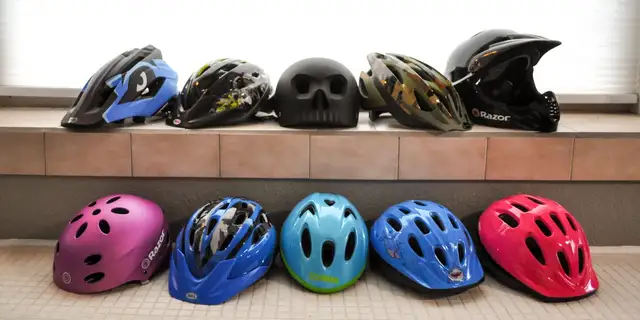
Compare the Noodle and Thrasher through adjustability, ventilation and the actual riding activity.
Understand harness height, strap routing and model-specific inserts, then turn those checks into a clear handoff between caregivers.